
How to Prevent and Treat Pregnancy Stretch Marks

Pregnancy is a wonderful thing, but it sometimes comes with changes that may be less-than-wonderful. Stretch marks are the perfect example.
Stretch marks are among the most common concerns for first-time mums in Singapore. While they may be entirely natural, they can also be a cosmetic issue for some.
If you’ve recently given birth and now want to get rid of pregnancy stretch marks, or are pregnant and want to know how to avoid them, read on for some tips on what to try!

What Causes Pregnancy Stretch Marks?
To understand how to prevent stretch marks or treat them, you should know what causes them.
Stretch marks, also called striae gravidarum, develop due to your skin stretching during pregnancy as your baby gets bigger.
Because of this, they typically begin developing during the second and third trimesters of pregnancy. That’s when your baby gets large enough to require significant stretching of the skin of your belly, breasts, and thighs.
This is often compounded by the hormonal changes you experience during pregnancy. These changes can make your skin more vulnerable to stretch marks by reducing its elasticity.
Finally, some genetic component may be involved as well. If your mother had stretch marks during pregnancy, for example, you may be more likely to get them as well.
Mums’ Tips to Prevent or Reduce Stretch Marks

1. Moisturise Regularly
Maintaining skin elasticity can help a lot with stretch marks. This is why pregnant women are advised to moisturise their skin consistently – hydration supports skin elasticity!
Look for a rich moisturiser that agrees with your skin. The classic choices are ones with cocoa butter, almond oil, hyaluronic acid, or shea butter.
You may want to look for non-greasy ones during Singapore’s most humid months. Palmer’s Cocoa Butter is an example of a non-greasy but moisturising option.
Use your chosen product to moisturise your skin (especially the belly, breasts, and thighs) twice a day. Do this religiously to minimise the appearance of early stretch marks and reduce the risk of new ones appearing.

2. Stay Hydrated
It’s not just about ensuring your skin has enough moisture from outside. You also have to give it the moisture it needs from inside!
That means keeping yourself properly hydrated. Have a drink on hand, especially during hot weather. It will maintain your skin’s softness and health.

3. Support Your Skin Through a Good Diet
This is another of the best ways to ensure your skin can deal with the demands of pregnancy better. Supplement it with a diet that offers it the nutrients and vitamins it needs to heal.
Look for foods that are rich in antioxidants and Vitamin C. Zinc and proteins can also help your skin produce collagen more efficiently.
Fortunately, a lot of the foods good for the skin are also tasty ones… but if you do find yourself averse to most of them, ask your doctor to recommend a supplement instead.
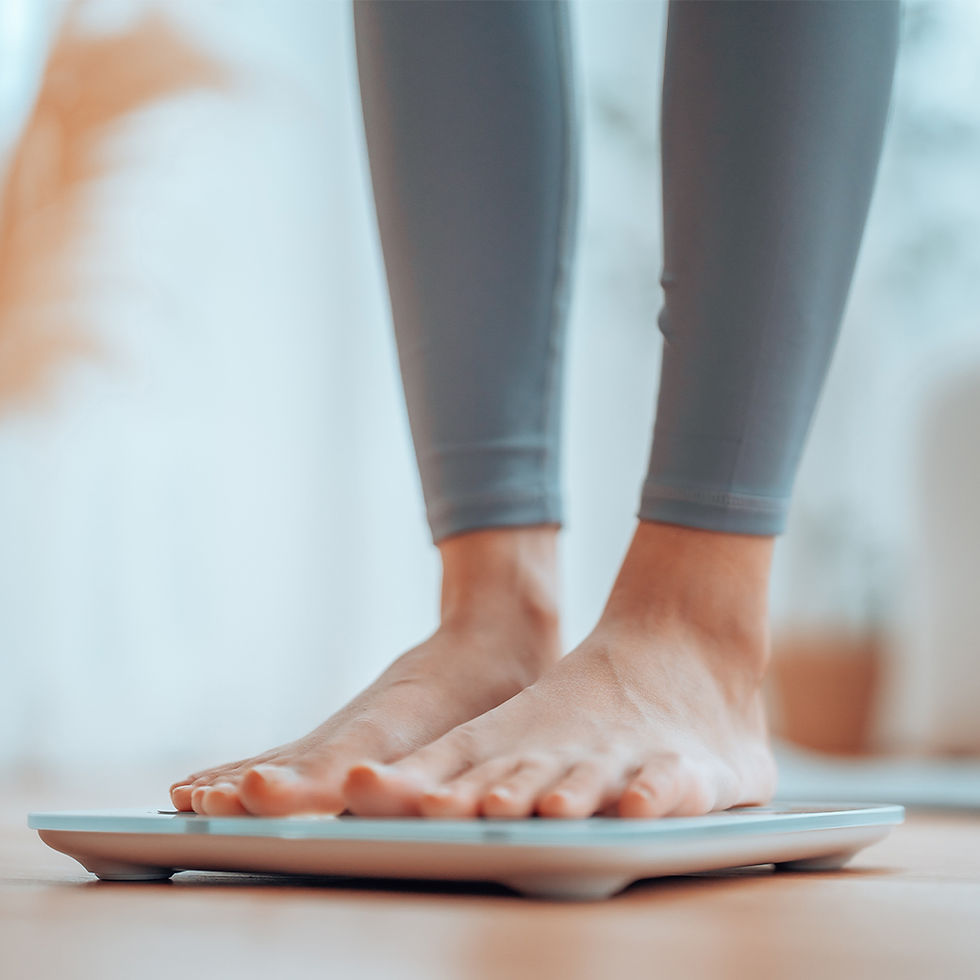
4. Manage The Speed of Weight Gain
Most women will gain weight during pregnancy, obviously, but the more rapid it is, the more noticeable the stretch marks usually are afterwards.
That’s because rapid weight gain can stretch the skin too fast. Your collagen production won’t be able to keep up, leading to more noticeable tears or stretch marks afterwards.
Your doctor can offer some guidance on steady weight gain during pregnancy. By trying to maintain it at a gradual and smooth pace, you can minimise stretch mark development.

How to Treat Stretch Marks After Pregnancy
Even when you take steps to prevent stretch marks, you can still develop them. That’s not the end of the world, especially when most of them fade over time anyway.
There are things you can do to address them after the pregnancy as well. Some of them even include the same tips you used for prevention, as they still support the skin’s healing.
Moisturising should continue postpartum, for instance. The same goes for staying properly hydrated. You should also continue with a healthy diet that supports your skin’s recovery.
If the marks are still noticeable enough after breastfeeding to make you uncomfortable, you may want to consider seeing a dermatologist then. Laser and microneedling are two of the more popular options for addressing stretch marks.
Bottom Line: It’s Okay to Have Stretch Marks
At the end of the day, while there are many ways to try and minimise stretch mark development or visibility, the point is still that it’s fine to have them. They’re a natural part of most mums’ pregnancy journeys!
Treat yourself to skincare and nourishment where you need it, but as part of this self-love, remember too that these marks aren’t things to be ashamed of. And that there are ways to make them less noticeable over time anyway.
For more tips from fellow mums and other useful guides, join our MummyGuru community! You might even try asking our other mums about the stretch mark removal methods they found most effective on our forums.
You can also explore our blog for more advice like this. Check it out now!


Comments